
Seven Inspection Areas

A Thorough Look at
Every Critical System

Our inspection methodology covers the seven areas that most commonly hide problems in used residential properties. Here's exactly what we evaluate and why each area matters.
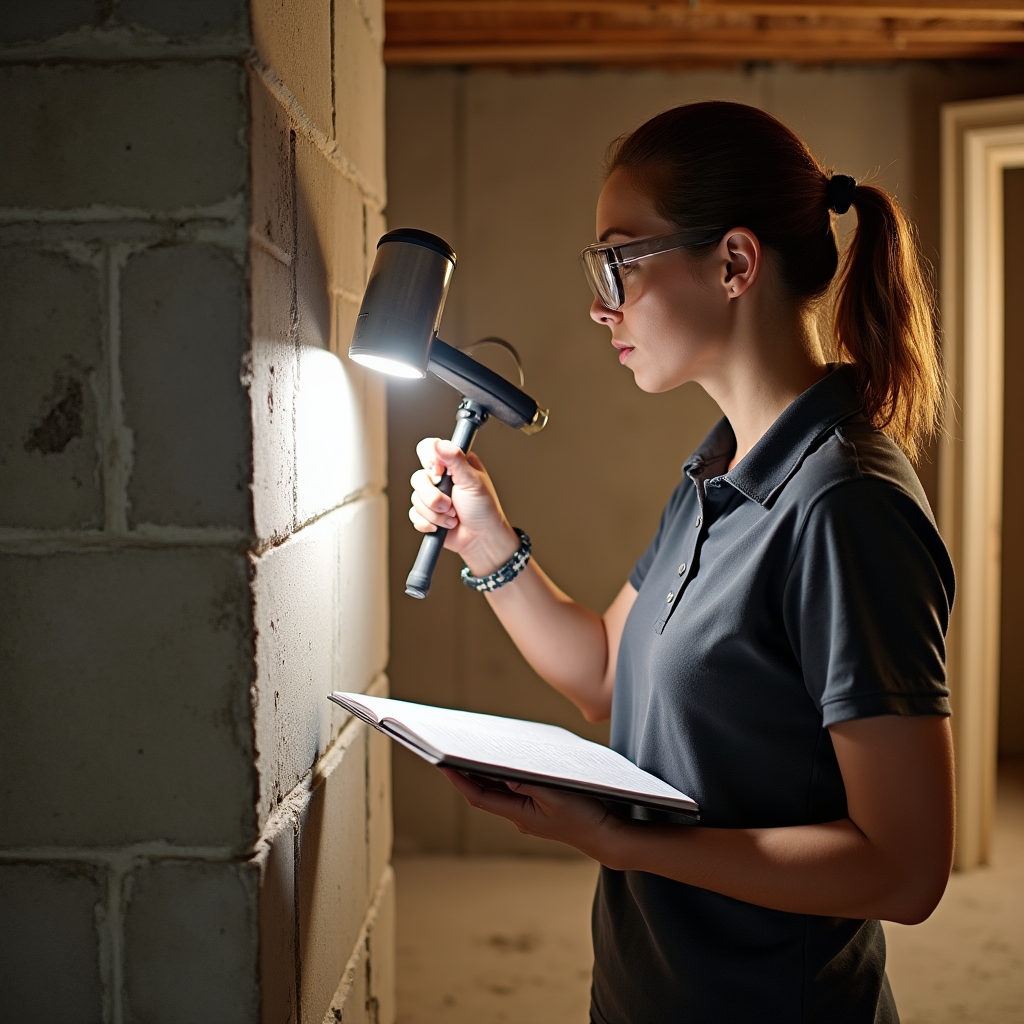
Inspector examining structural columns and load-bearing walls in a residential property

Structure

The structural system is the skeleton of the property. Problems here are typically the most expensive to address and can affect the safety and long-term viability of the building.
Columns and load-bearing walls — visible cracks, inclination, and deformation
Beams and slabs — deflection, exposed reinforcement, and surface deterioration
Signs of differential settlement — uneven floors, diagonal cracking patterns
Visible connections between structural elements
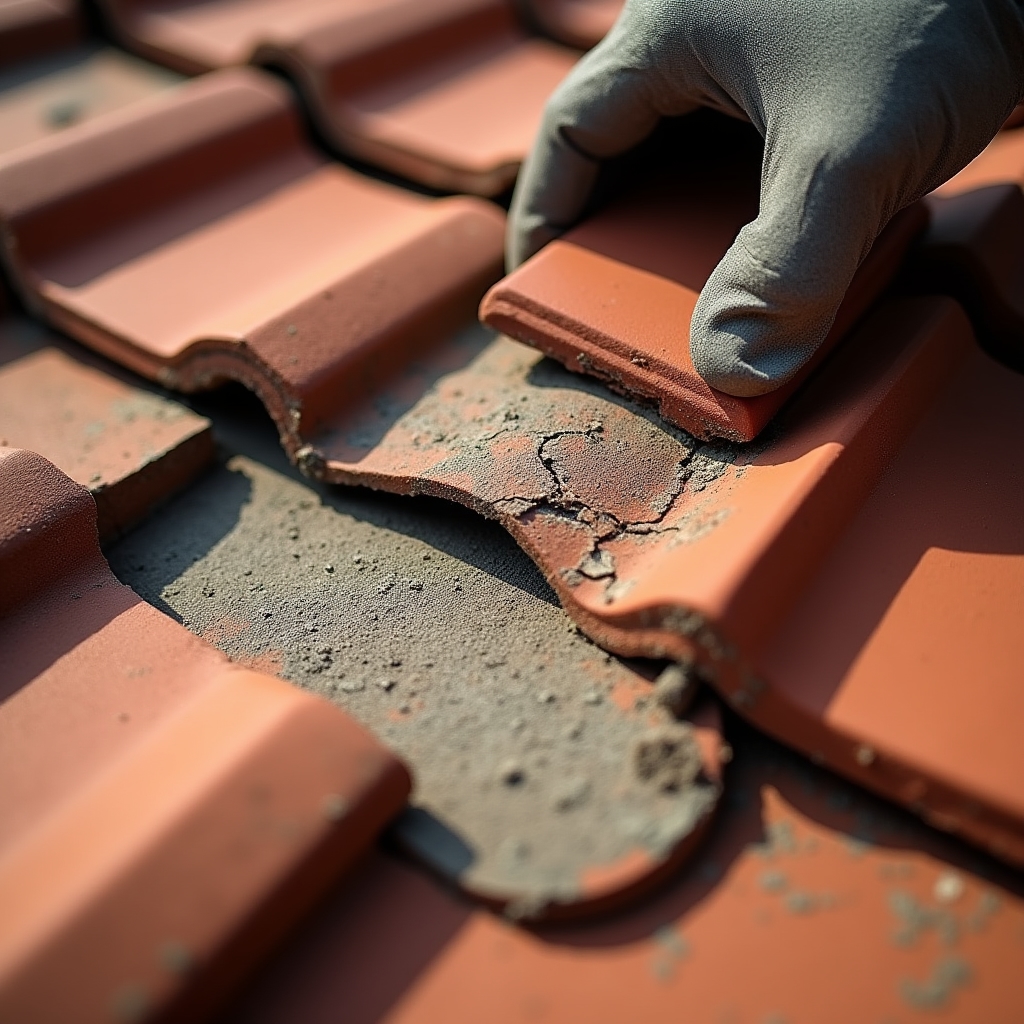
Close-up inspection of roof tiles and waterproofing membrane on a residential property in Paraguay

Roof & Waterproofing

In Paraguay's climate, with intense summer rains and temperature extremes, the roof is one of the areas most prone to deterioration. An active leak can cause damage that extends far beyond the roof itself.

Tile condition — broken, displaced, or missing tiles
Waterproofing membranes — deterioration, bubbling, and exposed areas
Gutters and downspouts — blockages, damage, and incorrect drainage slope
Roof structure — visible rafters, purlins, and ridge condition
Technician inspecting electrical panel in a used home

Electrical Installations

Outdated or improperly installed electrical systems are a common source of hidden costs — and potential hazards. Many older properties in Paraguay have electrical infrastructure that hasn't kept pace with modern appliance loads.

Main electrical panel — breaker condition, labeling, and capacity
Visible wiring — insulation condition, exposed cables, and improper connections
Grounding system — presence and apparent condition
Outlets, switches, and visible fixtures — functional condition and safety
Inspector checking plumbing connections in bathroom

Plumbing & Sanitation

Water supply and drainage issues can be among the most disruptive to daily life and the most expensive to repair when they involve concealed pipes. We evaluate what is visible and accessible.

Water supply pipes — visible condition, material, and signs of corrosion or leaks
Drainage and waste pipes — flow, blockages, and visible condition
Bathroom and kitchen fixtures — functional condition and connections
Water pressure — observation of flow at multiple points

Carpentry & Joinery

Doors, windows, and built-in elements are often the first to show signs of humidity damage or poor installation. Warped frames, sticking doors, and damaged window seals are common indicators of underlying moisture problems.

Interior and exterior doors — operation, frame condition, and sealing
Windows — frame condition, glass integrity, and weatherproofing
Built-in cabinetry — condition, humidity damage, and functional hardware
Stair components — where applicable, structural integrity and finish
Inspector checking door frame for humidity damage and warping in a used home

Walls & Foundations

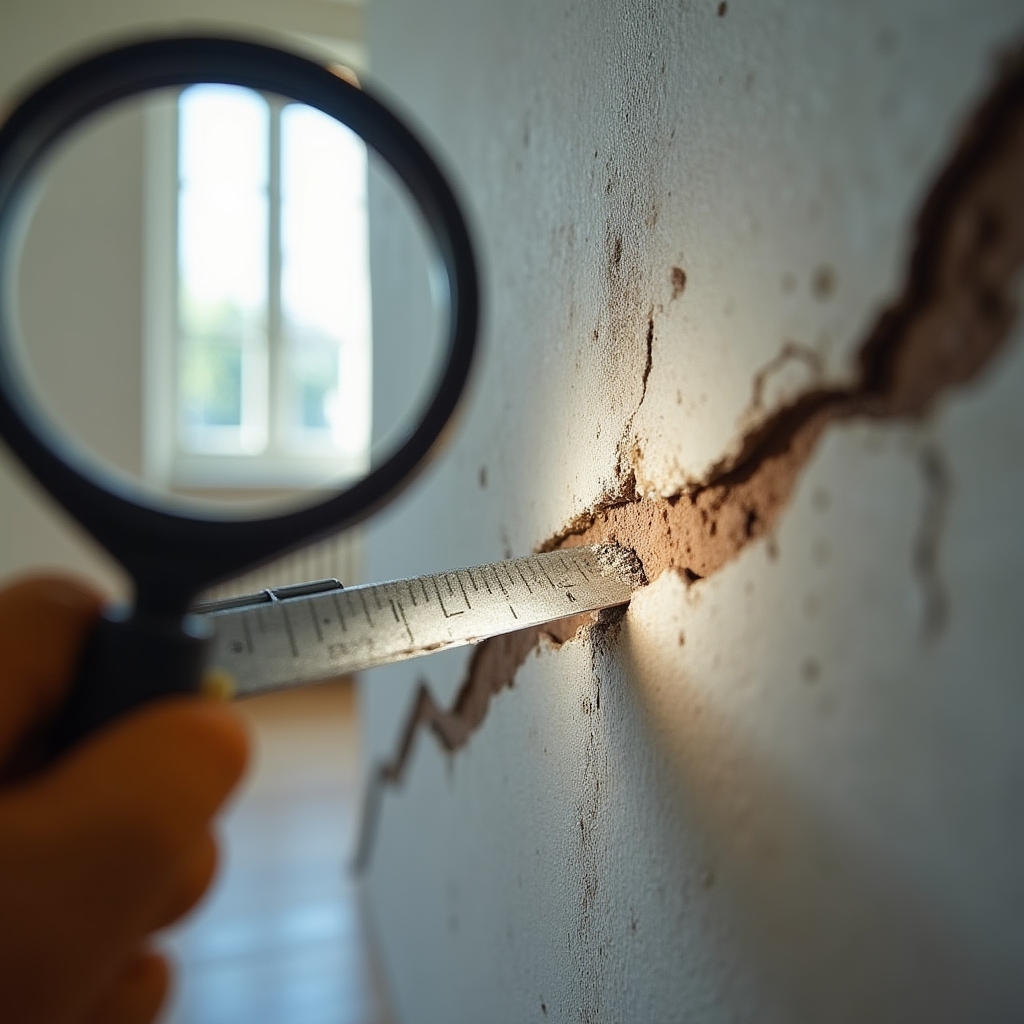
Wall and foundation condition tells a complex story about the property's history. Rising damp, efflorescence, and specific crack patterns can indicate issues with drainage, foundation movement, or construction quality.
Exterior walls — surface condition, crack patterns, and weathering
Interior walls — humidity stains, efflorescence, and paint condition
Rising damp — indicators at wall base and floor perimeter
Foundation perimeter — visible condition where accessible from exterior
Close-up of wall crack being assessed for structural significance

What you receive after the inspection

The inspection report is structured to be immediately useful — both for understanding the property's condition and for use in negotiations.

Traffic-Light Rating per Area

Each of the seven inspection areas receives a green, yellow, or red rating. At a glance, you understand which areas are clear, which need attention, and which represent significant costs.

Written Observations

Each rating is accompanied by written notes explaining what was observed, where it was found, and why it received its rating. Technical findings are explained in accessible language.

Photographic Evidence

Where findings warrant documentation, the report includes photographs of specific issues. These images provide a verifiable record and facilitate communication with contractors or legal advisors.

Ready to schedule your inspection?

Contact us with the property address and we'll coordinate the visit. You'll receive your report and have the information you need to decide.

Schedule Inspection Required Documents